




FORTNIGHT ISA MULTIMEDIA DOCUMENTARY PROJECT ON THE MILLENNIAL GENERATION: THE LAST GENERATION TO REMEMBER A TIME WITHOUT THE INTERNET. |

contributorsprofile
WHAT IS NOBILITY?
GRAND BALLS, TITLES, HOUSES: YOUNG BARONESS
BEATRICE BREAKS DOWN MODERN NOBILITY.
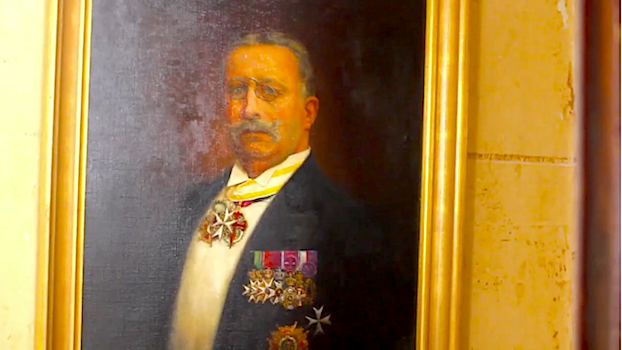
watch the video now >>
GRAND BALLS, TITLES, HOUSES: YOUNG BARONESS
BEATRICE BREAKS DOWN MODERN NOBILITY.
watch the video now >>


|
WHAT IS NOBILITY?


Baroness Beatrice von Schwerin describes the life and lore of the young noble: Hierarchies, nations, grand balls.
1 of 1


Beatrice describes her mother’s tenure as lady-in-waiting. The Qing dynasty in China boasted ladies-in-waiting, as did the Byzantine court in Constantinople in the early middle ages. The custom of ladies-in-waiting attending to royal women in its current incarnation, however, began to take shape during the Renaissance. Whereas European courts prior to this time first and foremost served as barracks, in the 15th and 16th centuries they became primarily places of courtesy. Ladies-in-waiting were as essential to assisting in household tasks, as they were to keeping royal women company. Anne of Austria (1601-1666), for example, gathered her ladies-in-waiting around her once a day to practice the art of conversation. The position of lady-in-waiting was inherited in most European courts, and mothers and grandmothers often passed on their appointment to their daughters in granddaughters. In France, the king, and not the queen, had the last say in who would assist the queen in her day-to-day activities.
Source: Walthall, Anne. Servants of the Dynasty: Palace Women in World History. University of California Press: Berkley, 2008. |



