


FORTNIGHT ISA MULTIMEDIA DOCUMENTARY PROJECT ON THE MILLENNIAL GENERATION: THE LAST GENERATION TO REMEMBER A TIME WITHOUT THE INTERNET. |

contributorsprofile
FARMING
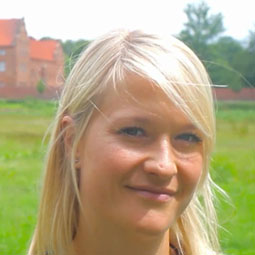
FIEF BECOMES MODERN FARM: BEATRICE DESCRIBES
SEASONS OF HARVEST ON HER FAMILY ESTATE.
watch the video now >>
FIEF BECOMES MODERN FARM: BEATRICE DESCRIBES
SEASONS OF HARVEST ON HER FAMILY ESTATE.
watch the video now >>


|
FARMING


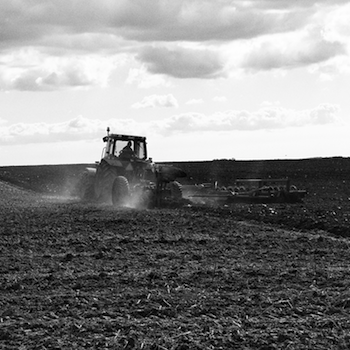
Baroness Beatrice discusses the history of seasonal farming on her estate in Sweden. Black & white photography by Beatrice.
1 of 1


The Von Schwerin farm produces barley, wheat, and beets, which are the most prevalent crops in Sweden. Barley, in particular, has historically played an important role in the Swedish economy due its agreement with the climate, and adaptability to various forms of crop rotation. The crop was introduced to Sweden around the Ume River area as early as the 8th century BC. In the 16th century, it was the main crop that was harvested in Sweden. Although the cultivation of barley has been in decline since then, it has nevertheless remained a staple in Sweden agriculture, especially in the north. Most barley grown in Sweden in the present day is used primarily for brewing. It is usually cultivated on family farms, as are most crops in Sweden.
Harvest time in Sweden is rich in traditions. Many harvest festivals take place all over the nation in late September. The largest Swedish harvest festival, skördefest, takes place in Öland and spans an entire four days. Sources: http://www2.jordbruksverket.se/webdav/files/SJV/trycksaker/Pdf_ovrigt/ovr2gb.pdf Heckscher, Eli Filip. An Economic History of Sweden of Sweden. Harvard University Press: Cambridge, 1954. Lagersberg, Stiftelsen. The Agrarian History of Sweden: 4000BC to 2000AD. Trans. Charlotte Merton. Ed. Janken Myrdal & Mats Morell. Nordic Academic Press, 2011. http://nordicfeed.com/feedarticle.php?id=17 |



