




FORTNIGHT ISA MULTIMEDIA DOCUMENTARY PROJECT ON THE MILLENNIAL GENERATION: THE LAST GENERATION TO REMEMBER A TIME WITHOUT THE INTERNET. |

contributorsprofile
IN THE KITCHEN
BREAD DOES NOT RISE ON DEMAND.
BAKER GEMMA EXALTS THE ART OF PATIENCE.
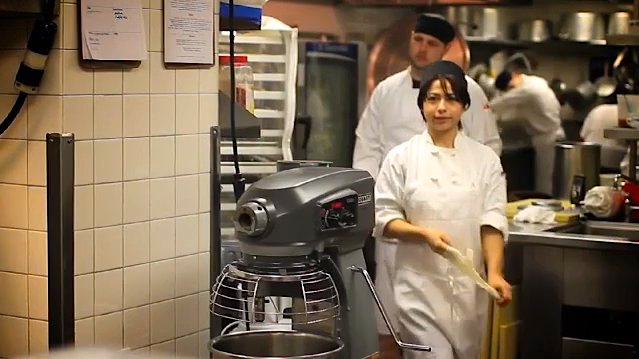
Watch the video now >>
BREAD DOES NOT RISE ON DEMAND.
BAKER GEMMA EXALTS THE ART OF PATIENCE.
Watch the video now >>

|
IN THE KITCHEN


Gemma Matsuyama, pastry cook, talks to Fortnight about the patience required to execute baking each day at Locanda Verde (New York).
1 of 1


In the 12th century the guild of bakers was established in France: they were known as tameliers (sifters) because they had to sift flour that was delivered to them. There were 62 of them at the time and Philip Augustus granted them the monopoly on the manufacture of bread within the boundaries of Paris. According to the Livre des métiers of Étienne Boileau (c.1268), the tamelier bought his entitlement from the king (the Grand Baker). He served an apprenticeship of four years and had to complete various formalities. The master baker had a junior, or first boy, at his command. The guild also provided insurance against illness; every day, the baker delivered one or two loaves to a hospital, and in return was guaranteed free priority hospitalization. The baker who supplied free bread to the executioner placed the bread that was intended for him upside down so that the other customers could be sure that the executioner’s hand would not touch any other loaves. This gave rise to the superstition that it is unlucky to place bread upside down.
Source: Larousse Gastronomique, revised English edition. Ed. Prosper Montagné (c. 1938) et al. London: Hamlyn, 2009. Page 55. |



